
 by
by Running a small business often means wearing many hats. From managing customers and delivering services to handling finances and administrative tasks, entrepreneurs frequently find themselves overwhelmed with paperwork. One of the most time-consuming responsibilities is managing invoices and administrative documentation. Fortunately, adopting an electronic invoicing platform can significantly reduce this burden and help small businesses operate more efficiently.
Content
The Administrative Challenge for Small Businesses
Many freelancers, small companies, and associations still rely on manual invoicing processes. This often involves creating invoices in spreadsheets or word processors, sending them manually via email, tracking payments separately, and storing documents across multiple systems. These fragmented processes not only consume valuable time but also increase the risk of errors, missed payments, and compliance issues.
Administrative tasks can quickly pile up, leaving entrepreneurs with less time to focus on growing their businesses, building client relationships, or improving their services. As regulations around digital documentation and electronic invoicing continue to evolve, businesses also need reliable solutions that help them stay compliant without adding complexity.
What Is an Electronic Invoicing Platform?
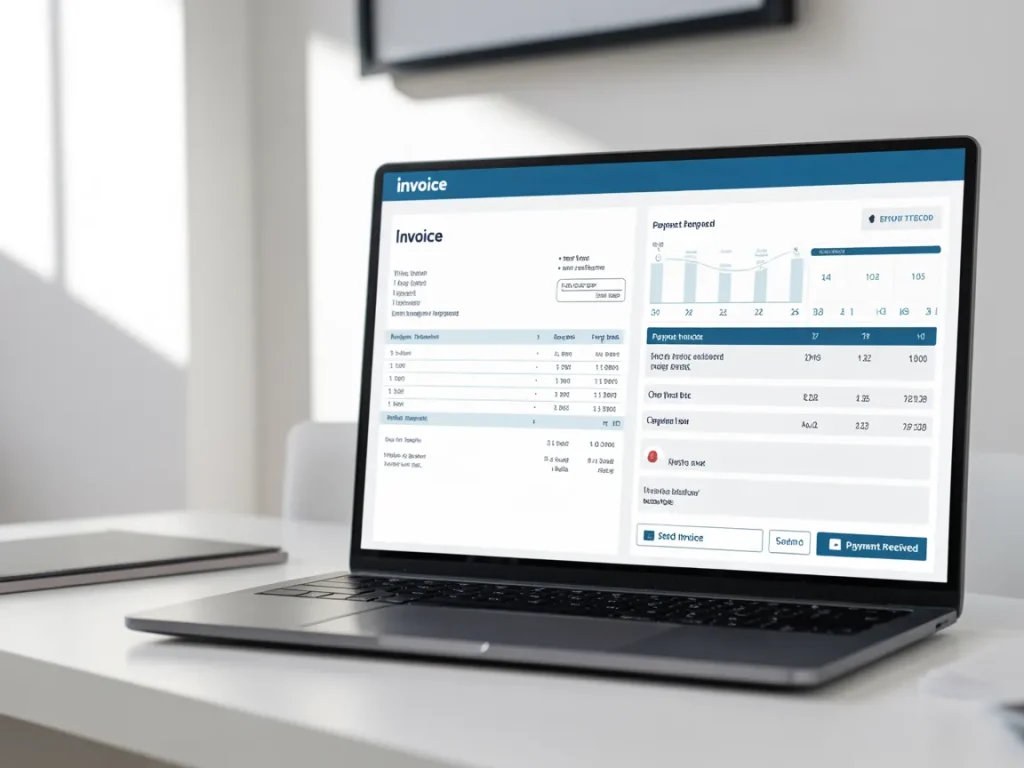
An electronic invoicing platform is a digital solution that allows businesses to create, send, receive, and manage invoices electronically. Instead of manually preparing documents, businesses can generate invoices automatically using standardized templates and store them securely within the platform.
These platforms often include features such as automated invoice generation, payment tracking, digital document storage, and integration with accounting tools. By centralizing administrative tasks, an electronic invoicing platform helps businesses streamline their operations and reduce the time spent on repetitive tasks.
Automating Routine Tasks
One of the biggest advantages of using an electronic invoicing platform is automation. Tasks that once required manual input can now be completed in seconds. For example, invoice templates can automatically populate with customer details, product information, and pricing. This eliminates the need to repeatedly enter the same data for each invoice.
Automation also helps businesses schedule recurring invoices for regular clients or subscription services. Instead of creating new invoices every month, the platform automatically generates and sends them according to predefined schedules. This not only saves time but also ensures that invoices are sent consistently and on time.
Faster Payment Processing
Time savings also come from faster payment cycles. Many electronic invoicing platforms allow businesses to include secure payment options directly within the invoice. This makes it easier for clients to pay quickly without additional steps.
Additionally, automated reminders can be sent to clients when payments are due or overdue. This removes the need for business owners to manually follow up on outstanding invoices, reducing administrative stress while improving cash flow.
Centralized Document Management
Another major benefit is the ability to store all administrative documents in one secure location. Instead of searching through emails, folders, or multiple software tools, businesses can access invoices, receipts, and related documents from a single dashboard.
Centralized storage improves organization and makes it easier to retrieve records when needed, whether for financial reviews, audits, or regulatory requirements. This structured approach to document management can save hours of searching and reduce the risk of lost files.
Improved Compliance and Accuracy
As digital invoicing regulations become more common in many regions, businesses must ensure that their invoicing practices meet legal requirements. An electronic invoicing platform helps simplify compliance by generating invoices that follow standardized formats and regulations.
Because information is stored and processed digitally, there is also less risk of calculation errors or missing details. This accuracy helps businesses maintain professional records while avoiding potential administrative complications.
Supporting Small Businesses in the Digital Transition
For many small organizations, adopting digital tools can feel overwhelming. However, modern electronic invoicing platforms are designed to be accessible and user-friendly, even for entrepreneurs without technical expertise. They provide simple interfaces, clear workflows, and helpful guidance to support businesses as they transition to digital administrative management.
By simplifying invoicing and document management, these platforms empower entrepreneurs to take greater control of their administrative processes without needing complex or expensive systems.
Conclusion
Administrative work will always be a part of running a business, but it doesn’t have to consume valuable time and energy. By adopting an electronic invoicing platform, small businesses can automate routine tasks, streamline document management, and improve payment efficiency.
Ultimately, the time saved on administrative tasks allows entrepreneurs to focus on what truly matters—serving their customers, developing their ideas, and growing their businesses. As digital solutions continue to evolve, electronic invoicing platforms are becoming an essential tool for small businesses seeking efficiency, transparency, and long-term success.

George is a wonderful person. He is very nice and always willing to help out! He loves his job because it lets him share interesting things with people who want to know about new developments in the world of technology.